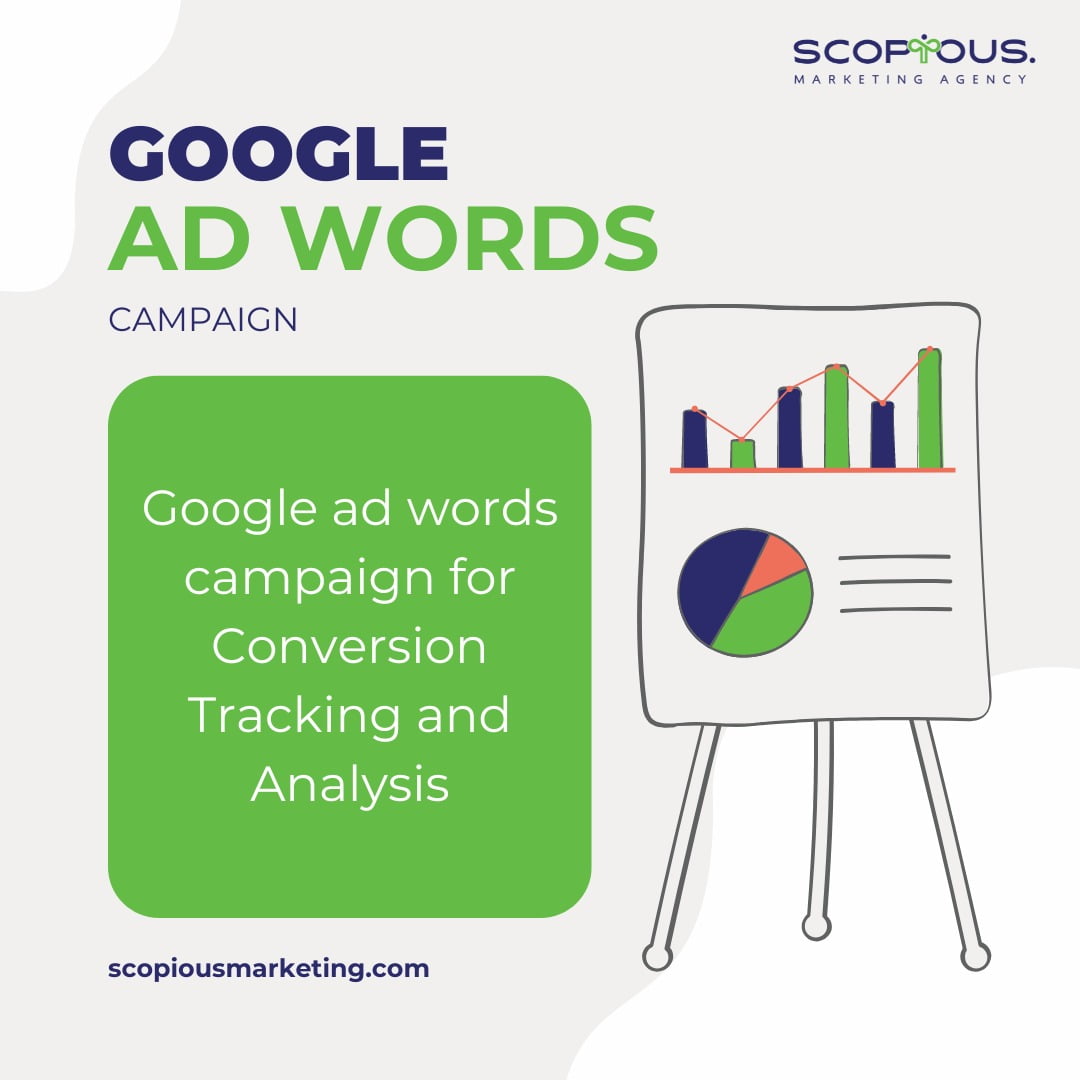
Google Ads Campaign Planning and Optimization
A Google Ads campaign connects search intent with a useful offer, a clear destination and measurable follow-up. This guide covers keyword grouping, budget decisions, tracking and practical review steps. It explains what to measure before increasing spend and how to distinguish platform activity from genuine customer enquiries. No campaign can promise a fixed number of sales without understanding the business, competition and conversion process.
Define what a campaign must deliver
Before choosing keywords, agree on the business action that makes the campaign worthwhile. A qualified consultation request, completed purchase and general page visit have different values. Document who will receive enquiries, the location the company can serve and the sales cycle. Define a primary conversion that reflects the commercial goal, then keep supporting metrics such as clicks and impressions in a separate category. A large volume of cheap clicks is not proof of useful demand.
Set a realistic test budget and decide what evidence would justify increasing it. If the business cannot estimate customer value or its lead-to-sale rate, acknowledge that uncertainty instead of promising a fixed return. Review the offer, landing page and follow-up process alongside campaign settings. A campaign can be technically well configured and still fail when the offer is unclear or prospects are not contacted promptly.
Group keywords by the searcher’s intention
Start with the products and services that have relevant landing pages. Separate searches for general information from searches indicating comparison or purchase. A person asking how a service works needs a different answer from someone requesting a provider in a particular city. Group keywords so that each advert can address a coherent need and point to a destination that answers it. Avoid collecting unrelated queries in a single ad group simply to increase reach.
Match types influence which searches can trigger an advert, so monitor actual search terms instead of assuming a keyword will only show for its literal wording. Use negative keywords to exclude irrelevant intentions such as job searches when advertising a paid service. Document important exclusions and revisit them when the offer changes. An overly broad negative can block legitimate demand just as an overly broad positive can waste budget.
Write useful ads without unsupported claims
A strong search advert explains the service, an honest differentiator and the next action. The headline should match the landing page and the customer’s language. Replace generic phrases such as ‘best agency’ or ‘guaranteed results’ with a specific explanation of scope, process or eligibility. Only advertise a discount, award or turnaround time if it is current and supported. Review platform policies and industry restrictions before approval.
Test distinct message angles rather than merely changing punctuation. One advert might clarify what is included, another might answer a common objection, and another might describe the first consultation. Where appropriate, use sitelinks to guide visitors to relevant service information. The digital ads campaign planning guide provides a broader view of how creative, targeting and landing pages should work together.
Improve the page that receives the click
The landing page should make the offer understandable within the first screen, especially on mobile. Use a clear heading, a concise explanation, evidence that can be checked and a contact method suited to the buying journey. If the advert promotes one service, do not send the visitor to a generic homepage where they must search for it. Explain what happens after an enquiry so that the next step feels predictable.
Test loading, form validation, confirmation messages and layout on real devices. Make sure the form asks only for information needed to respond and that any tracking or consent requirements are respected. A campaign with relevant keywords will still lose potential customers if the page is slow, confusing or broken. Ask someone unfamiliar with the business to complete a test enquiry and record where they hesitate.
Make conversion measurement trustworthy
Define each conversion event, its trigger and the person responsible for maintaining it. Test the entire journey before launch. Duplicate event firing can inflate the reported conversion count, while blocked scripts or consent restrictions may reduce visibility. If the business uses a CRM, compare advertising enquiries with qualified leads and completed sales where possible. Do not assume different systems use the same attribution window.
Report clicks, spend, qualified enquiries and the quality of follow-up separately. Explain why dashboard conversions and CRM totals may differ because of attribution, duplicate leads or offline sales. A useful weekly review states what changed, what the data supports and what remains uncertain. Tracking is valuable only when it helps the team decide whether to improve the message, destination, targeting or sales process.
Choose bidding and budget decisions carefully
A bidding strategy should match the objective and the quality of available conversion data. Automated bidding cannot compensate for incorrect tracking or an irrelevant offer. A new account with little history may need a cautious learning period, while an established account can draw on more consistent signals. Record the date and reason for major changes so that performance shifts can be interpreted rather than guessed at.
Separate advertising spend from creative production, account management, landing-page work and analytics. Set review checkpoints rather than reacting to every quiet day. If results are weak, identify whether the issue is low demand, unsuitable searches, an unconvincing offer, landing-page friction or slow follow-up. Increasing the daily budget before understanding the problem may simply increase the cost of it.
Check geography, schedules and search terms
Review location targeting against where the company can actually deliver. Consider language, device behaviour and opening hours where they affect the ability to respond. Search term reports can reveal queries that do not fit the service, but individual observations should not trigger wholesale changes without context. Group repeated problems and test a targeted correction. Keep a simple change log of what was altered and why.
Monitor disapproved adverts, broken URLs, unexpected spend and account access as operational risks. These checks are separate from performance optimisation. If the account is delivering traffic but not useful enquiries, review the entire journey from query to follow-up. If the account is not delivering at all, investigate eligibility, billing and settings before judging the offer. Different problems require different remedies.
Connect paid search with wider marketing
Paid search is useful for reaching some people who are actively looking for a solution. Organic search can support discovery and education over a longer period, but neither channel guarantees customers. The SEO versus Google Ads comparison explains why timelines, costs and search intent matter. Campaign insights can also inform useful website content, provided search terms are interpreted carefully.
For businesses using several channels, coordinate messages and conversion definitions so that reports remain comparable. The digital marketing services overview outlines related work across content, advertising and websites. Avoid crediting every conversion to every channel that appeared in the customer’s journey. Use transparent attribution assumptions and focus on decisions the business can actually act upon.
Review lead quality with the sales team
A form submission is only the start of a commercial conversation. Ask whether enquiries were contactable, in the correct location, seeking the advertised service and able to take a realistic next step. Categorise outcomes consistently and share aggregated patterns with the campaign team without exposing private customer details. If many people misunderstand the offer, revise the ad or landing page rather than blaming the audience.
Response time and service availability also affect results. A useful campaign may appear unproductive when enquiries sit unanswered. Review how leads move from the form into the CRM, who owns follow-up and whether there are duplicate records. A practical performance report includes both acquisition metrics and operational findings. It should identify the next change and the person responsible for it.
A four-week test and reporting plan
Week one defines the audience, offer, budget and measurement. Week two develops ad groups, creative and landing-page checks. Week three launches a controlled experiment and checks delivery and tracking. Week four reviews search terms, spend, lead quality and sales feedback before deciding whether to continue, refine, pause or expand. This is an example framework, not a promise that every campaign will produce meaningful data in four weeks.
Keep a decision log that links each test to a hypothesis and a measurable outcome. If there is too little conversion data, say that results are inconclusive. Avoid presenting estimates as verified returns. A clear report is more valuable than an impressive dashboard without context. To review the scope of a campaign or discuss tracking requirements, use the Scopious Marketing contact page.
Google Ads campaign is one of the most engaging and powerful ways to assist businesses in getting to their target audience through well-targeted ads directly in Google search engines and within its partner websites. It operates on a PPC advertising model, so you pay only upon clicking on your advertisement.
A useful campaign plan covers the following operational tasks:
Google Ads campaign for Campaign Management and Monitoring
During the process of developing the Google Ads campaign, to manage and monitor the campaign, we will identify your target audience:
- Experienced people in marketing include marketing managers, digital marketers, and advertising specialists.
- Business owners looking to improve their marketing.
- Campaign management tool for software developers.
- Marketing Agents and Advisers.
- Find Good Keywords.

Effective keyword research makes a successful campaign with:
Campaign management.
Campaign Monitoring.
Marketing Automation.
Making Performance Trackable.
AdWords is optimized.
Digital Analytics.
Analysing the Ad Copy.
We use ad extensions to enhance your advertisement visibility by providing extra information. We use:
- Sitelink Extensions: We are used to linking directly to specific pages on the marketer’s site.
- Call extensions: Encourage potential clients to call you directly.
- Location Extensions: Display business location.
- Landing Page Optimization.
- loading fast enough.
- People oriented.
- Making it possible to understand the message clearly and concisely.
- Include information on the services you avail.
We use Google Analytics campaigns and other tracking tools to appropriately measure the prospects of your campaign. We keep an eye out for relevant KPIs, which might include:
- Click-through rate (CTR).
- Rate of conversion.
- Cost per acquisition.
- Return on investment (ROI).
By adhering to these policies and continuously monitoring and optimizing the campaign, you will be in a very strong position to effectively reach your target audience, thereby driving leads your way for campaign management and monitoring services.
Google Ads campaign for Keyword Research and Optimization
When we develop a Google Ad Words campaign for keyword research and optimization, then your target audience likely includes:
- The Digital Marketer.
- SEO experts.
- Content creators.
- Business owners.

Google Ads campaign planning for companies
We define what you want to achieve before you go into the campaign. Whether you want to increase traffic on your website, gain more leads to be converted into sales, or simply raise awareness about your products or service? Then, we define your target audience so you can write messaging for advertisement by segment with:

- Relevance: We use keywords relevant to the identification of your products or services that clearly represent user search intent.
- Long-tail keywords: Use more descriptive keywords for attracting targeted potential clients.
- Keyword tools: We use Google Keyword Planner, and Ahrefs for finding out the appropriate keywords relevant to your niche along with their respective search volume.
- Reaching Out Clarity: We write clear and concise ad copy that highlights the unique benefits of your products or services.
- Keywords: Use appropriate keywords naturally in your ad copy to enhance relevance as well as search engine ranking.
- Landing Page Optimization Relevance: We make sure that your landing page is connected to the message and keywords of your ad.
- Clear Value Proposition: We communicate the value provided by your products or services. This is a direct target to finish off the users, such as form completion or purchase.
- Mobile Optimization: We optimize your landing page for a mobile device, as the share of visits from mobile devices is on the.
- Targeting Geographic: Areas identified geographically can target exact geographic areas based on the reach of business and customer exposure.
- Demographics: Who you want your audience to look like, we do it.
- Devices: We create ads according to different devices like desktops, mobiles, and tablets, to reach a maximum number of viewers.
FAQs
- What is a Google Ads campaign?
Google Ads campaign is a program that our business uses to advertise and reach targeted audiences on Google’s search engine and partner advertising websites.
- How does a Google Ads campaign work?
Every time someone searches for something with that keyword, Google might display your ad at the very top of the search results page. You pay only when they click on it.
- Why should you choose our agency to run my Google Ads campaign?
We specialize in developing and managing top-performing Google Ads campaigns that achieve measurable results. Our professionals are experienced and battle-hardened in the workings of the platform, with data-driven strategies designed to help you gain the maximum ROI.
- What exactly are your services for the Google Ads campaign?
We do keyword research, ad copywriting, and landing page optimization; we manage your bids by campaigns with tracking and subsequent analysis.
- How long until you start seeing some results with a Google Ads campaign?
It all depends on your industry, the level of competition, and the goals of your campaign. But with effective optimization, in most cases, you’d already see effectiveness in several weeks.
- What are the costs in regard to a Google Ad Words campaign?
You only pay for a Google Ads campaign with the budget you determine, depending on what the target audience is, and what strategy to put in place. We can give you a personalized quote according to your particular requirements.
- How do you measure the success of a Google Ads campaign?
We measure the success of your campaign through key performance indicators such as clicks, impressions, CTR, conversions, and ROI.
- Can Scopious assist with conversion rate optimization (CRO)?
Yes, we can help you optimize your website or landing page to improve conversions and increase ROI.
- Does Scopious extend continuous help and support in maintaining Google AdWord campaigns?
Yes, we are here to support and maintain your campaigns so that they continue to be effective and competitive.
- Can Scopious help me with local SEO and Google My Business optimization?
Absolutely, we could assist you with that in optimizing your Google My Business listing to improve your place in local listings.
Campaign strategy should be reviewed against business objectives and adjusted when reliable evidence supports a change.
Contact Us
For questions about the scope of our digital marketing services, you can contact the team through our contact page.

[…] عن تكلفة جذب الزيارات. لو كان لديك بالفعل نشاط على حملات Google Ads، يمكن استخدام الأسئلة التي يكررها العملاء في بناء […]